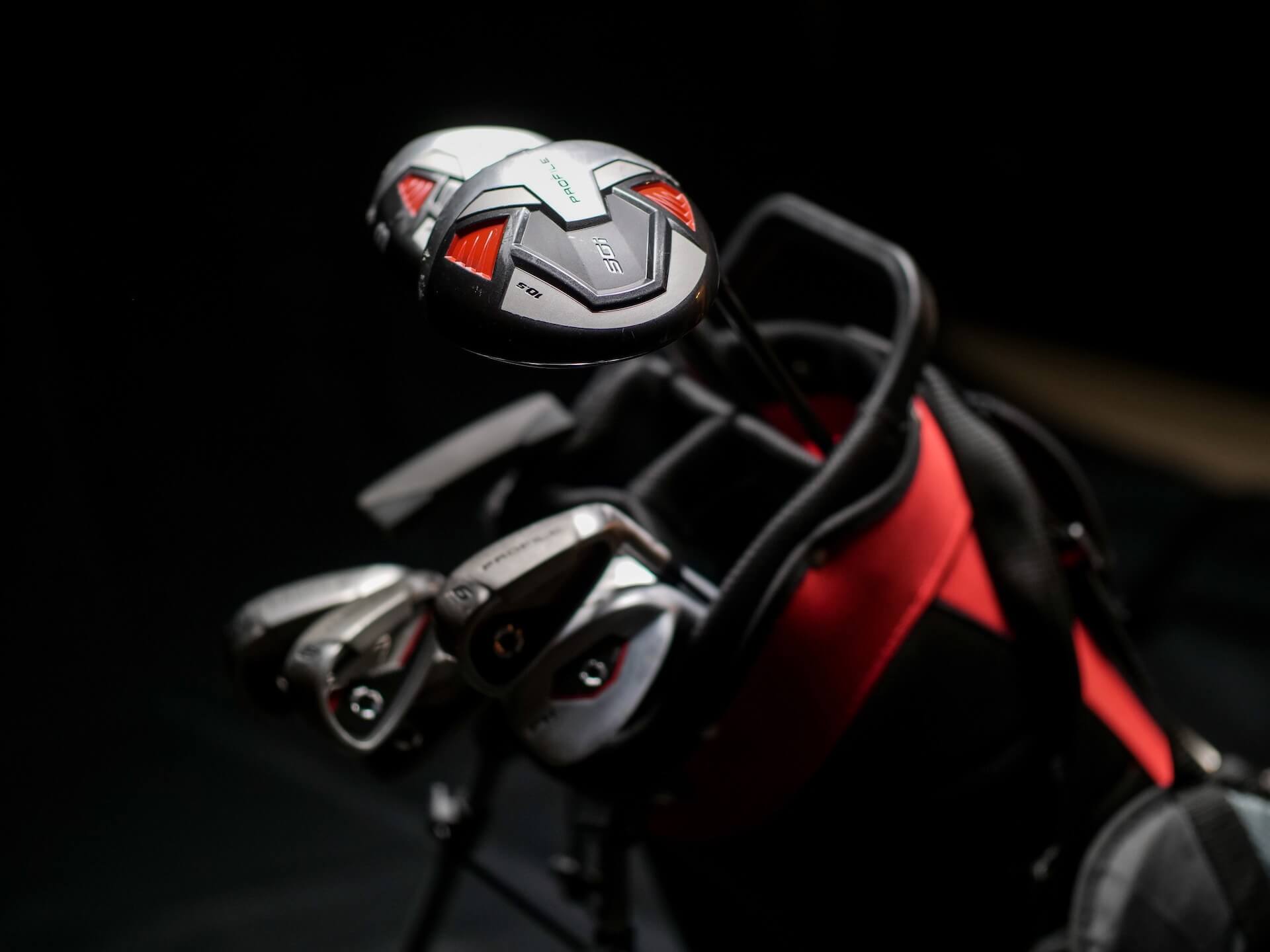
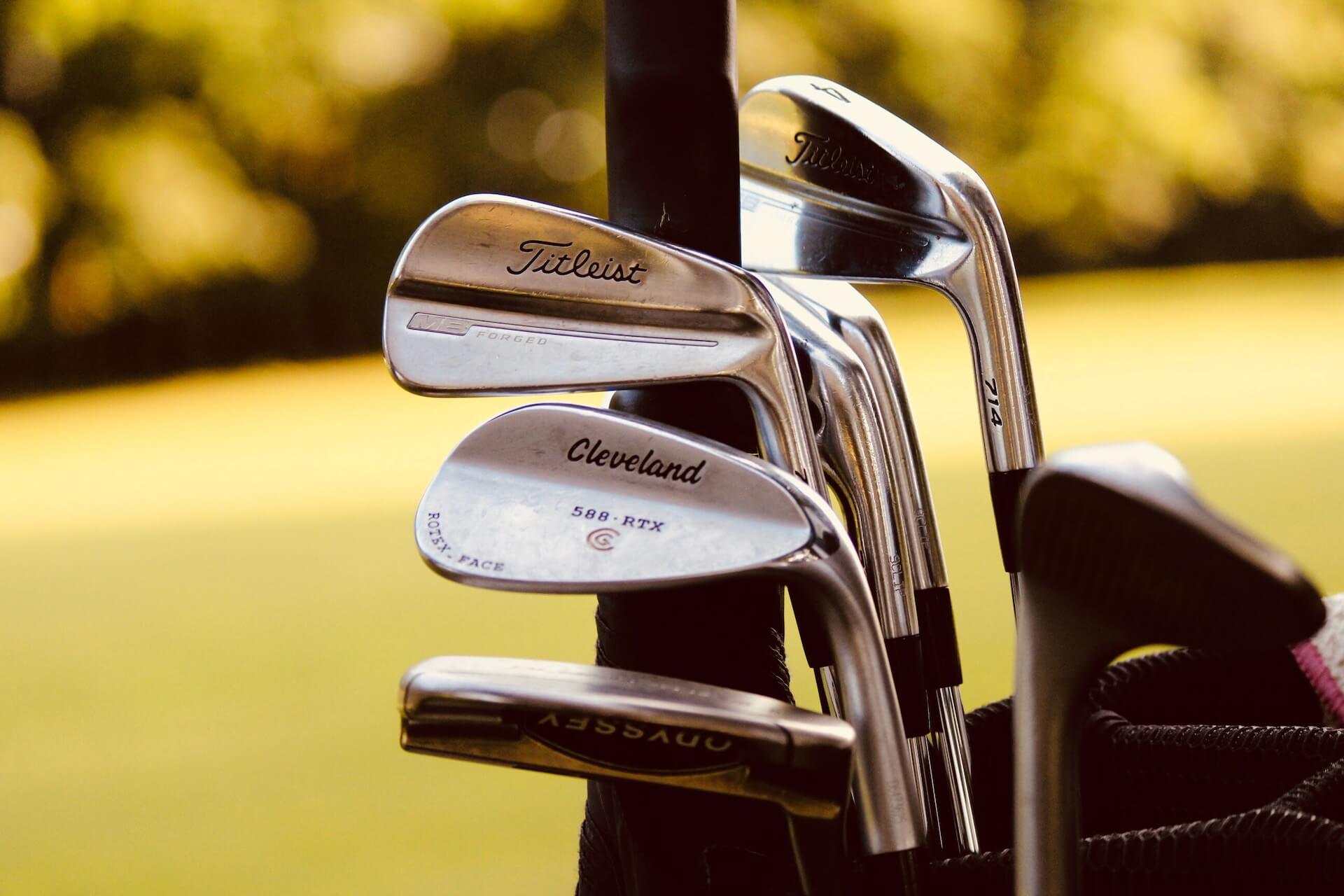
A pitching wedge is typically 41 to 48 degrees, and the one in a modern iron set is usually at the lower end. Ping's G430 pitching wedge is 41 degrees, while Titleist's T150 and Callaway's Paradym Ai Smoke MAX Fast are 44. The exact number depends on the iron set, so check your own club. The full list is in our wedge degree chart. For every wedge and the rest of the bag, see our golf club guides.
Pitching wedge lofts by iron set
| Iron set | Pitching wedge loft | Next club in the set | Source |
|---|---|---|---|
| Ping G430 (standard spec) | 41 degrees | 45.5 degree wedge option | Ping G430 iron page |
| Titleist T100 | 45 degrees | Not listed in the release | Titleist T-Series release |
| Titleist T150 | 44 degrees | Not listed in the release | Titleist T-Series release |
| Callaway Paradym Ai Smoke MAX Fast | 44 degrees | AW 48, GW 52, SW 56 | Callaway product page |
The same Titleist release lists the 7-iron at 33 degrees in the T100 and 32 in the T150, so both the 7-iron and the pitching wedge are one degree stronger in the T150 than in the T100.
Why two "pitching wedges" can differ by several degrees
Makers decide the loft of every club in their iron set, and there is no standard for a "PW". The same pattern runs through the whole set. The 7-iron is 29 degrees in the Ping G430, 31 in the Callaway MAX Fast, 32 in the Titleist T150 and 33 in the T100, and the pitching wedges are 41, 44, 44 and 45 degrees in the same four sets.
The practical effect is that a "PW" can be four degrees stronger in one set than in another. Comparing your pitching wedge distance to a friend's tells you little unless you also compare lofts.
How to find the loft of your pitching wedge
- Look at the sole or hosel. Some sets stamp the loft on the club. Many stamp only a letter such as P or PW.
- Check the maker's spec page. Search the brand, model and year of your irons. Makers list loft by club. Ping, Callaway and Titleist all publish the lofts for the iron sets they make.
- Ask a fitter or golf shop. A loft and lie machine measures the actual angle, which can differ slightly from the printed spec, especially on older or bent clubs.
What a pitching wedge is used for
The pitching wedge is the longest-hitting wedge in the bag. Typical jobs:
- Full approach shots when you are inside your 9-iron range.
- Longer pitches that need some run after landing.
- Bump-and-run chips where you want the ball low and rolling.
Because it has the least loft of the wedges, it launches lower and rolls out more than a sand or lob wedge. For shots that need to stop quickly or clear a hazard, a higher-lofted wedge is the better choice.
Choosing the gap to your next wedge
The gap between your pitching wedge and your next wedge decides whether you have a hole in your yardages. Fitters often aim for about 4 to 6 degrees between wedges. As a short guide, a 41 to 43 degree PW pairs with a 45 to 48 degree next wedge, a 44 or 45 degree PW with 48 to 50, and a 46 to 48 degree PW may need only a 52 and a 56. Worked examples and the arithmetic are on our gap wedge page, and the sand wedge page covers the club that usually follows. Distances depend on swing speed, strike and ball, so we do not give yardages here.
Pitching wedge or set wedge: match or mix
Many golfers carry the set pitching wedge and then add specialist wedges, such as Titleist's Vokey line, which starts at 46 degrees. A 46 or 48 degree Vokey fits after a 41 to 43 degree PW. After a 44 or 45 degree PW, start at 48 to 50 so the step is not too small. Bounce also matters when you mix brands: see what bounce does, and for choosing your wider wedge lineup see what wedge degree is best.
Source and date
Lofts checked against the Ping, Titleist and Callaway pages linked above on 5 October 2026. Check the spec page for your exact model and year, since makers change lofts between generations.